
Empathy in practice
Empathy helps us grow, too.
Listen, respect and accompany: small gestures that build a more inclusive community.
 Illustrative image

Three simple ways to start
Every experience is different.
Understanding different ways of experiencing the world and communicating helps us create a place where everyone belongs.
Interactive · the sensory room
What tires. What helps.
Autism is a different way of processing the senses, communication and relationships. Turn on what tires, then turn it off, and see how much calmer the same room feels.
Calm. The person can focus.
- Concrete, written instructions.
- Advance notice of changes.
- A quiet place or noise-cancelling headphones.
- Meetings with an agenda shared beforehand.
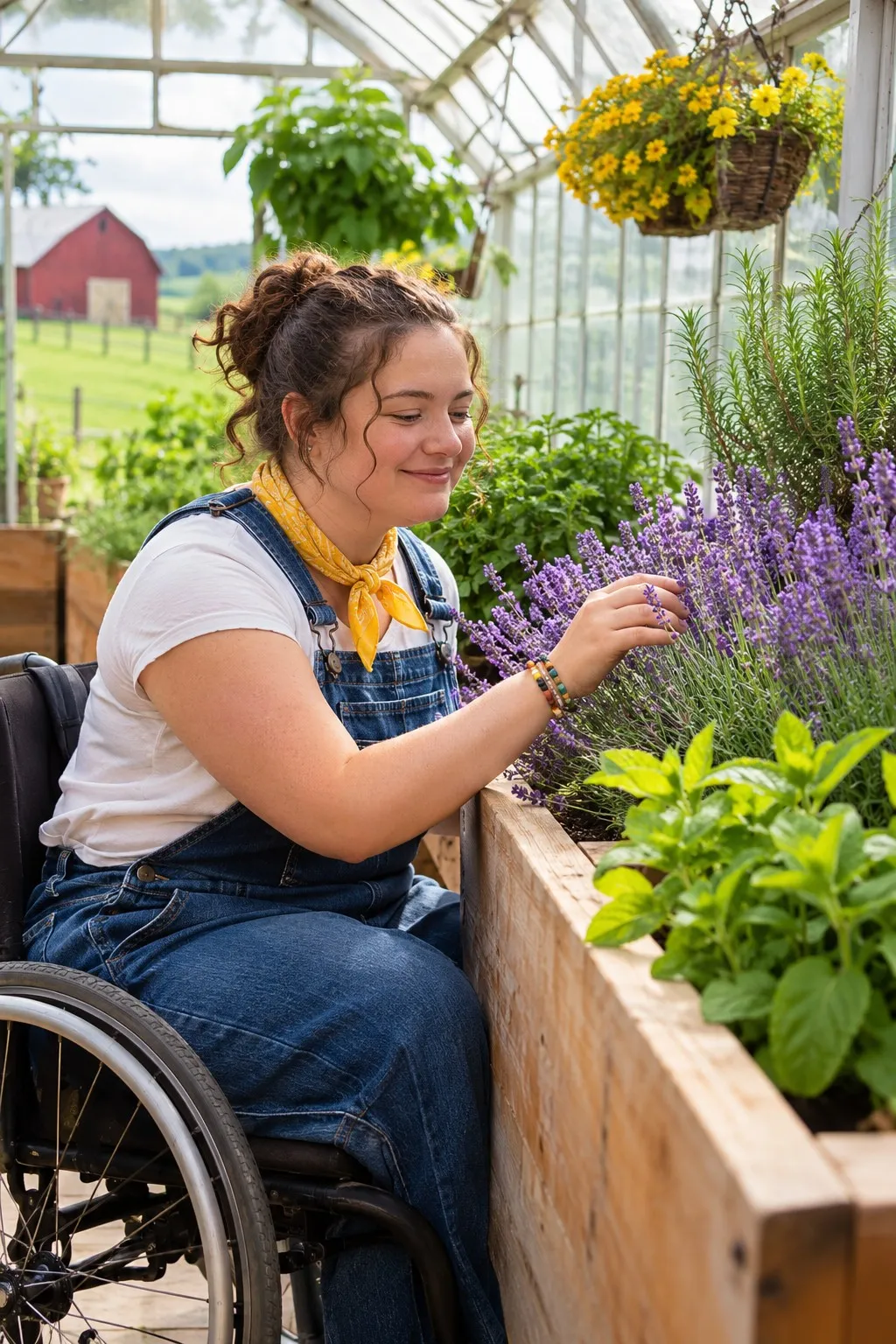 Illustrative image
Two forms of overload, one cause
Meltdown or shutdown?
According to Autistica, both arise from overload: too much noise or too many people, uncertainty or an unexpected change. They look different.
- It shows outwardly: crying, shouting, strong movements.
- Self-injury may occur.
- It is not a tantrum or a way of manipulating others.
- It shows inwardly: silence, a fixed gaze, no response.
- The person may seem absent; in reality they are overloaded.
- It is easy to overlook. Do not demand a response.
Small gestures, big changes
Belonging looks like this.
 Illustrative image
Listen without assumptionsWorking side by side
Illustrative image
Respect their paceA quiet place
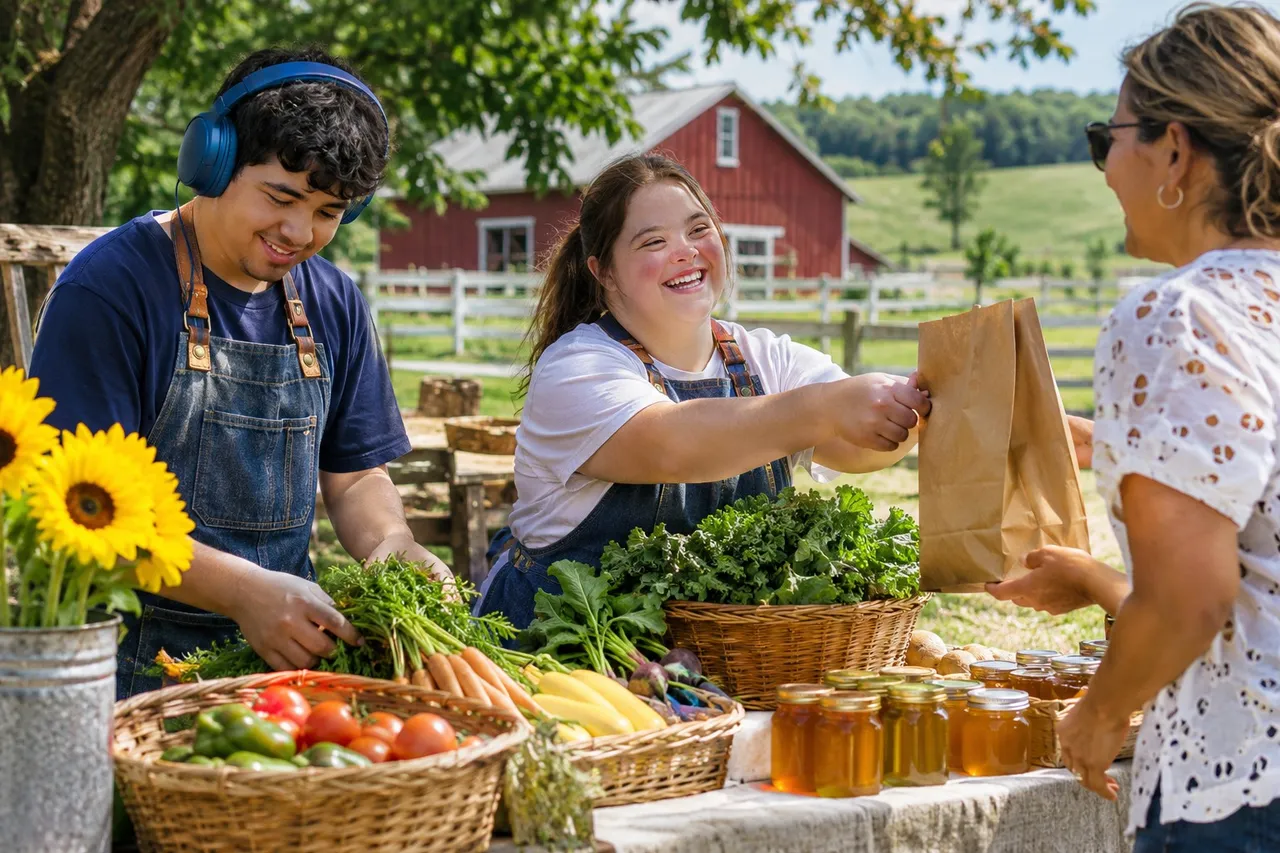 Illustrative image
Make inclusion intentionalReal roles
 Illustrative image
CommunityCelebrating together
A note on language
Why we say “autistic person”
We say “autistic person” because it is the form preferred by much of the autistic community, according to a 2021 study with 803 online-course participants (Lei, Jones and Brosnan); professionals tend to prefer “person with autism.” If someone tells you they prefer another term, use theirs.
This content offers general guidance and does not replace the advice of a health professional.
From empathy to action.
You can help make this vision possible by making a contribution, sharing our mission, or reaching out to learn how you can give your time and talents.